Southfields near Wimbledon Park wedding flowers tips
Posted on 26/09/2026
Planning wedding flowers in Southfields near Wimbledon Park should feel exciting, not like a last-minute panic with a pen behind your ear and five tabs open. The good news is that a little local knowledge goes a long way. Whether you are choosing a bridal bouquet, buttonholes, table arrangements, or a full wedding flower scheme, the right decisions usually come down to timing, venue fit, seasonal flowers, and a clear plan.
This guide brings together practical Southfields near Wimbledon Park wedding flowers tips in one place. It is written for couples who want flowers that look beautiful on the day, travel well, suit the venue, and stay within a sensible budget. You will also find advice on avoiding common mistakes, understanding what local florists usually need from you, and how to compare options without getting lost in the detail.
If you are already browsing styles, it can help to start with a trusted local range such as wedding flowers in Southfields SW18 and then narrow things down from there.
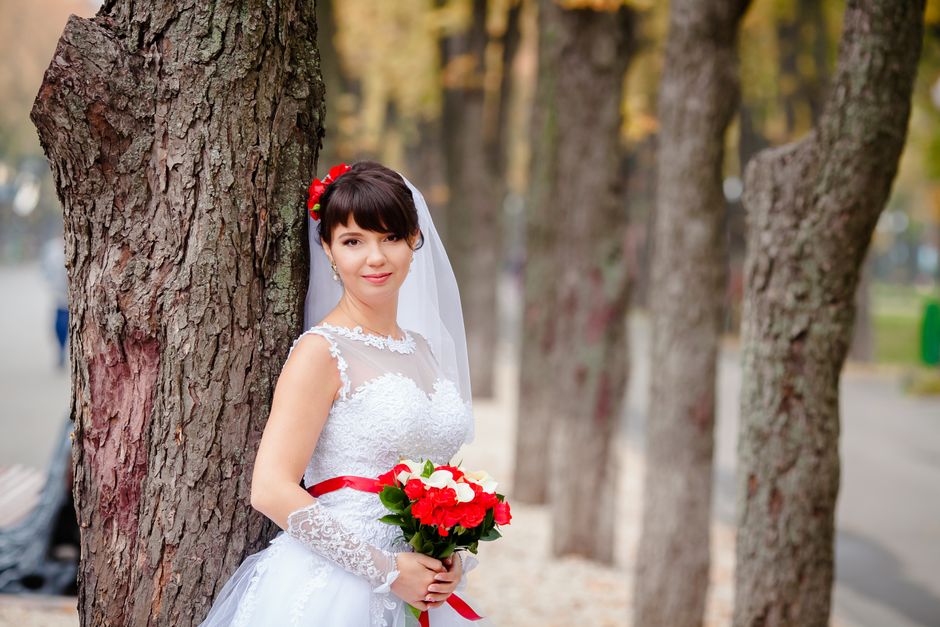
Why Southfields near Wimbledon Park wedding flowers tips Matters
Wedding flowers do more than decorate a room. They set the tone the moment guests arrive. A soft, romantic bouquet, a neat buttonhole, or a table arrangement that echoes the venue's colours can make everything feel considered and calm. Around Southfields and Wimbledon Park, that matters especially because many couples are balancing city logistics with a very specific visual mood. You want flowers that look refined, but not overworked. Elegant, but not precious. Easy to transport, but still memorable.
In practice, the biggest challenge is not choosing something pretty. It is choosing flowers that work in the real world: the season, the ceremony time, the photos, the venue lighting, the travel route, the aisle width, and even the weather. A bouquet that looks lush in a shop may feel too heavy after an hour in your hand. A table design that looks grand in a photo may block conversation. Tiny details, yes. But they stack up.
That is why local, practical guidance matters. When you understand how wedding flowers behave over the course of a day, you make better choices and avoid expensive guesswork. And truth be told, wedding days are busy enough already.
Expert summary: the best wedding flowers are not simply the most expensive or the most fashionable. They are the ones that suit your venue, hold up well through the day, and feel like your style in real life, not just on a screen.
How Southfields near Wimbledon Park wedding flowers tips Works
The process usually starts with three things: your wedding date, your venue, and your preferred look. Those three anchors shape everything else. A summer date opens up different flowers than a winter one. A church ceremony calls for different arrangements than a garden reception or an intimate restaurant meal. And a classic white palette will guide you in a completely different direction from a bold, jewel-toned scheme.
From there, a florist normally translates your ideas into usable pieces: bridal bouquets, bridesmaid bouquets, buttonholes, corsages, altar or ceremony flowers, table arrangements, and sometimes larger statement displays. If you want a cohesive look, the core trick is consistency. The bouquet should not feel like it belongs to one wedding, while the table flowers belong to another. That sounds obvious, but it happens all the time.
For a more structured starting point, many couples explore a dedicated collection like wedding collections, then move into individual pieces such as bridal bouquets, bridesmaid bouquets, and wedding buttonholes.
The real value of the tips in this guide is that they help you match the creative side with the practical side. That is where a good wedding flower plan starts to feel less like a gamble and more like a decision.
Key Benefits and Practical Advantages
Good flower planning brings a lot more than visual appeal. The benefits are practical, emotional, and surprisingly financial once you look closely.
- Better visual balance: flowers that suit the scale of your venue and the proportions of your dress, suit, and bridal party.
- Less waste: choosing seasonal, local, or flexible designs means you pay for impact rather than unnecessary complexity.
- Smoother delivery and setup: arrangements designed with transport in mind are less likely to wilt, squash, or arrive looking tired.
- Less decision fatigue: a clear plan reduces those endless "should we add this?" conversations that can eat up a week.
- Stronger photography: flowers that work with natural light, backgrounds, and clothing colours tend to photograph far better.
- More personal meaning: subtle colour choices or flower types can quietly reflect your story without turning the wedding into a theme park.
There is also something people often miss: flowers influence the emotional temperature of the day. Guests notice them before they consciously register why the room feels warm, romantic, or polished. You feel it too. A good bouquet in your hands can settle nerves in a way that's hard to explain and very real.
Who This Is For and When It Makes Sense
This advice is useful if you are:
- planning a wedding in Southfields, Wimbledon Park, or nearby parts of southwest London
- looking for bouquet and venue flower ideas that suit a modest, medium, or premium budget
- trying to decide between a simple package and a more bespoke floral design
- working with a local florist and want to ask better questions
- needing flowers that arrive on time and survive a busy wedding morning
It also makes sense if you are the sort of person who likes to understand the "why" before making a decision. Some couples know exactly what they want from day one. Others are less sure and need a few calm, practical pointers. Both approaches are fine. To be fair, most couples are somewhere in between.
If you are simply wanting something elegant and easy, a compact approach can work beautifully. If you are trying to coordinate multiple outfits, ceremony flowers, reception styling, and a strong colour story, then it helps to plan a little more carefully from the start.
Step-by-Step Guidance
1. Start with the venue and date
Your venue is the framework. A small reception space needs different floral decisions from a larger hall or outdoor setting. Then there is the date. A spring wedding can lean into tulips, peonies, or soft mixed blooms, while autumn often suits deeper tones and more textural arrangements. Even an hour difference in ceremony time can matter, because midday light and late-afternoon light flatter flowers differently.
2. Decide your flower priorities
Not every part of the wedding needs equal attention. Some couples want a dramatic bouquet and simple table flowers. Others want aisle flowers and buttonholes, but keep the rest clean and minimal. Ask yourself what will matter most in the photos, what guests will see first, and where you want the biggest emotional impact.
3. Choose a style direction
Classic, modern, garden-style, romantic, or structured? A style direction gives the florist a clear brief. For example, a loose garden bouquet feels very different from a tightly tied rose design. If you want a cohesive modern look, then pared-back shapes and a limited palette often work well. If you want soft romance, then textured stems and movement are your friends.
4. Select flowers with season and durability in mind
The prettiest flower is not always the smartest choice for a wedding day. Delicate blooms can be wonderful, but they may need more care. More robust flowers often travel better and stay fresher through long days. If you are unsure, ask what will hold up best in the expected weather and how long the flowers are likely to last once delivered.
5. Build the bouquet around the dress, not the other way round
This is one of those small details that makes a big difference. A large, cascading bouquet can overwhelm a fitted dress. A tiny posy might look lost against a fuller gown. The same applies to bridesmaid dresses and suits. Shape, texture, and scale all need to work together. It sounds a bit fussy, but honestly, it saves you from that nagging feeling that something is off.
6. Confirm logistics early
Delivery time, access to the venue, where flowers can be left, who receives them, and whether any items need setting up all matter. If you are getting ready elsewhere before moving to Wimbledon Park or Southfields, make sure the timing fits the whole morning. Wedding flowers should reduce stress, not add another frantic transfer into the day.
7. Review and confirm the final brief
Before you pay or finalise, check quantities, colours, flower preferences, delivery details, and any substitutions. This is where you protect yourself from vague assumptions. A short written summary can be very helpful, especially if you have discussed several ideas. No one wants a "I thought you meant ivory, not cream" moment on the week of the wedding.
Expert Tips for Better Results
Here is where experience really helps. Small decisions can improve the final result more than another few stems ever will.
- Keep one strong focal flower or feature: too many competing elements can make a bouquet feel busy.
- Use texture deliberately: greenery, berries, lisianthus, roses, or orchids can shift the mood without needing lots of colour.
- Think about comfort: a bridal bouquet should be easy to hold during the ceremony and photos. If it feels awkward for ten minutes, it will feel worse by hour three.
- Match the floral scale to the room: small tables do not need oversized arrangements, and large spaces can swallow tiny ones.
- Ask about substitutions: if a flower is unavailable, find out what the florist would use instead. Good substitutions protect the overall look.
- Use scent carefully: some flowers smell wonderful but can be overpowering indoors. A gentle scent is often better than a room full of fragrance.
One thing I would gently suggest: do not chase perfection in every stem. Weddings are alive, not staged museum displays. A little movement, a slightly looser tie, or a natural curve in the bouquet often makes the whole design feel more authentic.
If you need a style reference, consider looking through options such as wedding collections and seasonal designs like summer flowers or white wedding collections to see what feels right.
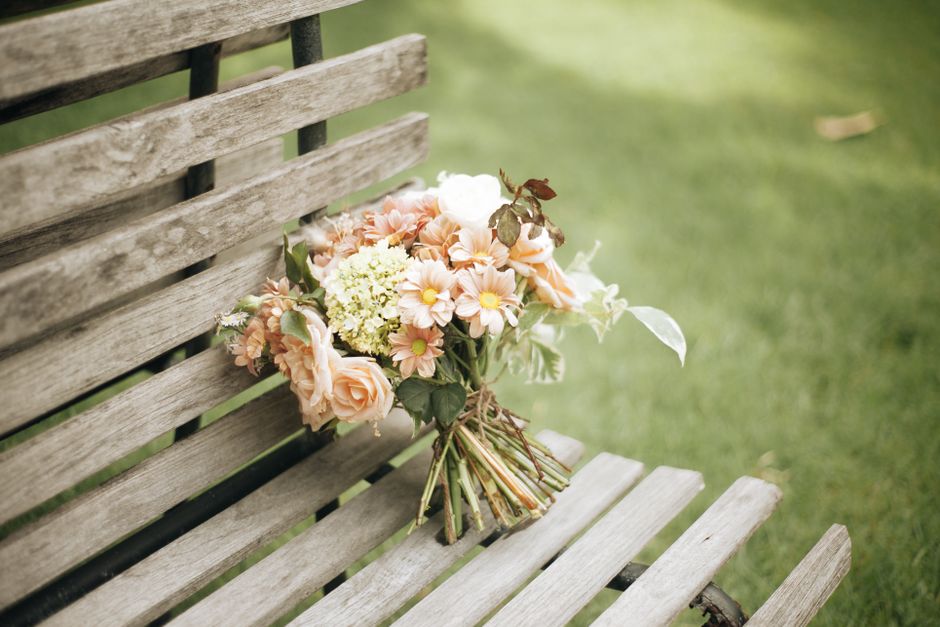
Common Mistakes to Avoid
Wedding flower mistakes are usually not dramatic. They are quietly annoying. And they tend to show up at the worst possible moment.
- Leaving flowers too late: this limits choice and can force rushed decisions.
- Overcomplicating the brief: too many flower types, colours, and references can muddle the final design.
- Ignoring the venue: a design that looks lovely in a Pinterest board may not work in a compact or dimly lit space.
- Forgetting transport: delicate pieces need a sensible journey from florist to venue.
- Choosing purely by colour: colour matters, yes, but shape, size, and texture matter just as much.
- Underestimating buttonholes and small items: these are minor individually, but they help the whole wedding feel cohesive.
- Not checking timing: if flowers arrive too early on a warm day, they can struggle later on. If they arrive too late, people start pacing. Not ideal.
A simple way to avoid most errors is to ask one question at every stage: "Will this still look good after travel, photos, and a few hours of handling?" That one question cuts through a lot of nonsense, honestly.
Tools, Resources and Recommendations
You do not need a giant spreadsheet to plan wedding flowers, though some couples enjoy one. A few practical resources are usually enough.
- Venue details: measurements, table layouts, access times, and any restrictions.
- Colour references: fabric swatches, dress photos, or a simple mood board.
- Guest list basics: so you know how many buttonholes, corsages, or table pieces are needed.
- Seasonal awareness: a rough idea of what is available around your wedding month.
- Budget boundaries: a clear upper limit helps shape realistic recommendations.
It can also help to browse complementary flower categories when you are shaping the overall plan. For example, if you want the wedding to feel softly romantic, you might look at rose-led styles like roses or fuller statement pieces such as luxury flowers. If your brief is simpler and more budget-conscious, then a straighter, more pared-back approach may make more sense.
For practical ordering details, the pages on delivery, flower care, and payment are worth a look before you finalise anything. Small stuff, but it saves hassle later.
Law, Compliance, Standards, or Best Practice
Wedding flowers are not heavily regulated in the way some services are, but there are still important best practices to keep in mind. First, any business supplying flowers should be clear about what is included, when delivery happens, and what happens if an item cannot be supplied exactly as shown. That clarity protects both sides.
Second, good customer practice matters. If you are ordering for a wedding, you should expect straightforward communication about timings, product availability, substitutions, and any setup responsibilities. If these things are vague, ask. It is a wedding, not a lucky dip.
Third, if flowers are being delivered to a venue, check any venue-specific access rules in advance. Some venues are strict about delivery windows, vehicle access, loading points, or setup times. That is not a legal issue as such, but it is a real operational one, and it can make a huge difference to the day.
Finally, read terms carefully. Look at cancellation, refund, substitution, and care expectations. On a busy week, people often skip this part. Do not. The boring page is the useful page, annoying as that sounds.
If you want to understand service expectations a little more broadly, the site's guarantees, returns and refund policy, and terms and conditions are sensible places to review before placing an order.
Options, Methods, or Comparison Table
Choosing wedding flowers is often easier when you compare the main approaches side by side. Here is a practical overview.
| Option | Best for | Strengths | Trade-offs |
|---|---|---|---|
| Simple bouquet-led approach | Smaller weddings or tighter budgets | Focused, elegant, easier to manage | Less impact in larger rooms unless paired with a few extras |
| Matching collection approach | Couples who want consistency | Easy to coordinate bridal, bridesmaid, and buttonhole flowers | Can feel less personalised if not adjusted carefully |
| Fully bespoke design | Couples with a strong style vision | Highly tailored, distinctive, photo-friendly | Needs more planning and usually more budget discipline |
| Seasonal mix-and-match | People who want a natural, relaxed feel | Fresh, flexible, often value-conscious | Requires trust in the florist's selection and substitutions |
There is no single right answer. A lot depends on the venue and the number of items you need. For instance, a couple may choose a strong bridal bouquet and simpler bridesmaid bouquets, then keep buttonholes minimal. That still looks cohesive if the colour story is consistent. Actually, sometimes that is the smartest way to spend the budget.
Case Study or Real-World Example
Imagine a couple planning a late-spring wedding near Wimbledon Park. They want the day to feel light, modern, and not too formal. The bride loves soft whites and pale blush tones, while the groom prefers something clean and understated. They do not want giant displays everywhere. Fair enough.
They begin with a bridal bouquet, then add bridesmaid bouquets in a slightly smaller scale, a few buttonholes, and two table arrangements for the main dining space. Instead of chasing a long list of flower types, they settle on a limited palette and let shape do the work. The florist suggests sturdy blooms that will last through the ceremony, travel easily, and still look fresh for evening photos.
The result is not flashy, but it feels calm and intentional. The bouquet works with the dress. The buttonholes are neat. The table flowers do not block conversation. And because the choices were made early, nobody is scrambling at 9 p.m. the night before. That last part, by the way, is worth its weight in roses.
For couples who like a polished look, pairing a bridal bouquet with one of the curated designs from bridal bouquet options and a complementary bridesmaid bouquet can be a straightforward way to keep everything aligned.
Practical Checklist
Use this before you finalise anything.
- Wedding date confirmed
- Venue details checked, including delivery access
- Budget set with a small buffer
- Style direction chosen: classic, garden, modern, romantic, or mixed
- Colour palette agreed
- Bridal bouquet size and shape considered
- Bridesmaid bouquets and buttonholes counted
- Table arrangements or ceremony flowers planned
- Flower season checked against wedding month
- Delivery timing confirmed
- Substitution preferences understood
- Care and handling instructions reviewed
- Final brief written down clearly
Quick rule of thumb: if a flower choice creates more stress than joy, simplify it. The day already has enough moving parts.
Conclusion
The best Southfields near Wimbledon Park wedding flowers tips are the ones that make your day easier as well as prettier. Start with the venue, the season, and the mood you want to create. Then build a flower plan that fits real life: transport, timing, comfort, and budget. That is how you get flowers that look beautiful in person, not just in one lucky photo.
Whether you want a compact bouquet-led plan or a fuller wedding flower scheme, the smartest approach is calm, clear, and practical. Keep the design cohesive, ask the right questions, and focus on the pieces that matter most to you. That is usually enough. More than enough, actually.
If you are comparing styles or narrowing your shortlist, you may also want to browse the wider range of local florist services in Southfields SW18 and then build from there with the pieces that suit your day best.
Get a free quote today and see how much you can save.
And if you are still deciding, that is completely normal. Take a breath, trust the process, and choose flowers that feel like you.
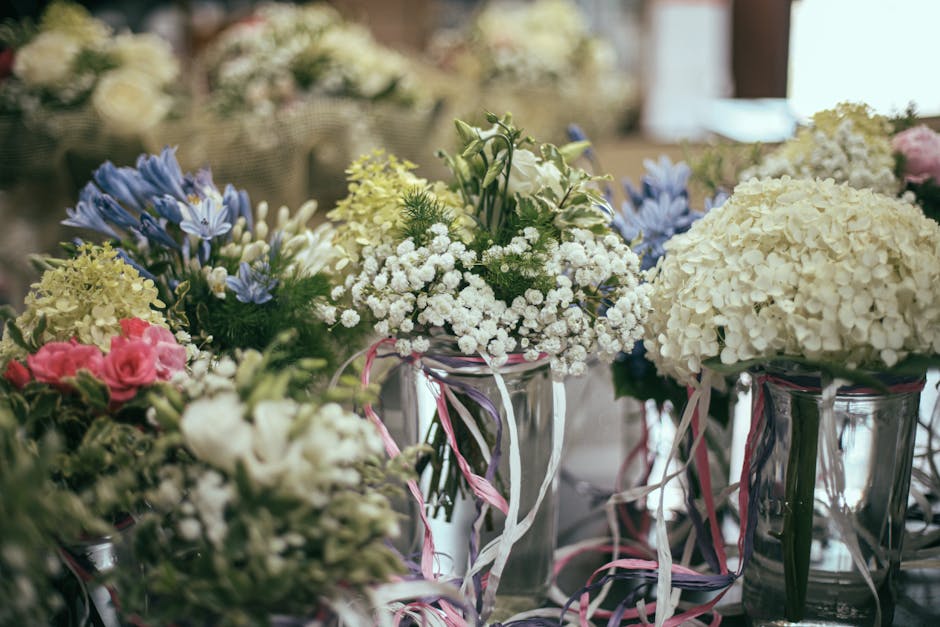
Frequently Asked Questions
What flowers work best for a wedding near Wimbledon Park?
The best flowers depend on the season, venue, and style of the wedding. Roses, lisianthus, orchids, hydrangea, and mixed seasonal blooms are common choices because they suit a range of looks and can be adapted to simple or more luxurious designs.
How far in advance should I book wedding flowers in Southfields?
As early as possible is safest, especially for popular dates. For a standard wedding, booking several months ahead usually gives you better choice and more time to refine the brief. If your date is close, ask about availability straight away.
Can I keep my wedding flowers within a modest budget?
Yes. A focused bouquet, smaller bridesmaid flowers, and a few key arrangements can still look elegant. Seasonal flowers, fewer design types, and a clear priority list all help the budget go further.
What should I bring to my florist consultation?
Bring your date, venue name, a rough guest count, colour ideas, dress or suit photos if relevant, and any inspiration images. Even a small collection of visuals can help a florist understand the overall feel much more quickly.
Do I need matching flowers for everything?
No. Matching is not mandatory. In fact, many weddings look better when the pieces are coordinated rather than identical. A bouquet, bridesmaid flowers, and table arrangements can share the same palette while varying in shape and size.
What if a flower I want is out of season?
A good florist can usually suggest a seasonal alternative that gives a similar mood. Sometimes the replacement ends up looking better for the day anyway, because it is fresher, more available, and better suited to the weather.
How do I make sure the bouquet suits my dress?
Think about scale, shape, and texture. A larger dress can carry a fuller bouquet, while a smaller or sleek dress may suit something neater. Sharing dress photos with the florist is usually helpful, even if the dress is not final yet.
Should wedding flowers smell strongly?
Not necessarily. A gentle scent can be lovely, but very strong fragrance can be overwhelming indoors or in a small ceremony space. The right balance depends on the venue and how long the flowers will be present.
What is the difference between a bridal bouquet and bridesmaid bouquet?
A bridal bouquet is usually the main floral piece, often larger or more detailed. Bridesmaid bouquets are typically smaller and may echo the same palette or flowers without competing for attention.
How do buttonholes fit into the flower plan?
Buttonholes are small but important finishing touches. They help tie the wedding party together visually. A good rule is to keep them simple, durable, and consistent with the overall palette rather than overly decorative.
Can wedding flowers be delivered on the day?
Yes, and in many cases that is the preferred option. The exact timing should be arranged with care, especially if there is a narrow setup window or a venue with restricted access. Always confirm who will receive the delivery.
What is the easiest way to choose between different flower styles?
Start with the mood you want: romantic, classic, modern, garden-like, or bold. Then look at examples in that style and check whether they suit your venue and budget. If a design feels right in every setting, that is usually a good sign.
Do I need to worry about flower care on the wedding day?
Yes, but only in a practical way. Keep flowers cool, avoid direct sun where possible, follow any hydration instructions, and assign someone sensible to receive them. You do not need to fuss over them all day, just give them a decent start.
Where can I browse wedding flower options locally?
You can explore the wider wedding range through the site's wedding collection pages and individual product listings to compare styles, colours, and bouquet types before making your final choice.


